If you are struggling with chronic back pain, you've probably tried a lot of different things.
Maybe you've seen a chiropractor, physical therapist, massage therapist, or personal trainer. Maybe you've tried stretching, resting, or searching YouTube for exercises that promise quick relief.
Yet the pain keeps coming back.
I understand because I've been there myself.
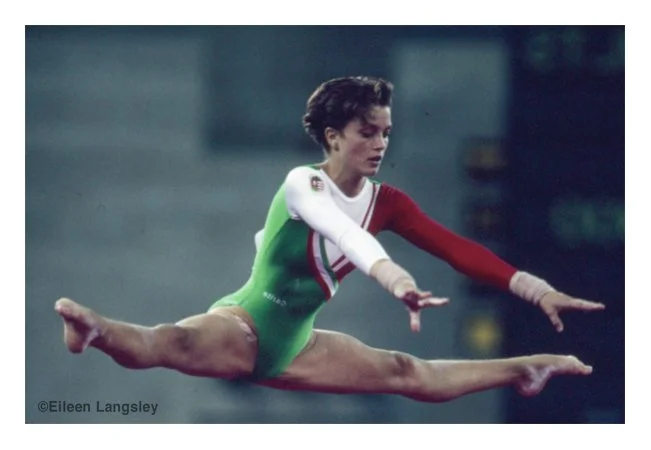
As a former Olympic gymnast, gymnastics coach, choreographer, certified yoga teacher, and massage therapist, I never expected chronic back pain and severe body stiffness to become part of my life.
What surprised me even more was that the thing that helped me the most was something I was initially skeptical about: yoga.
So, can yoga help relieve chronic back pain effectively?
In my experience, yes.
But not because it simply stretches your back.
My Journey from Skeptic to Believer
When my chronic back pain started, it affected almost every part of my life.
As a coach and choreographer, I relied on my body every day. Yet I was constantly dealing with pain and stiffness.
I couldn't sleep well.
I couldn't fully enjoy hiking, biking, dancing, or traveling.
I couldn't even stand comfortably in the kitchen for long periods of time.
The pain affected my mood too. I found myself becoming impatient with my husband and parents because I was constantly uncomfortable.
Like many people with chronic pain, I looked for answers everywhere.
I visited chiropractors, tried different types of massage therapy, and worked with specialists. While some treatments gave me temporary relief, the stiffness and pain always seemed to return.
Then I read an article about someone who had used yoga to overcome chronic back pain.
I decided to give it a try.
To be honest, I was skeptical.
I thought yoga was only for flexible people.
I had no idea that learning to slow down, breathe, and move differently would completely change the way I looked at pain and recovery.
Why Yoga Helped Me When Other Approaches Didn't
I didn't start with advanced yoga poses.
I started with gentle therapeutic yoga.
I worked with a yoga teacher twice a week and practiced on my own every day, sometimes for just 10 or 15 minutes.
One of the biggest lessons I learned was how to slow down.
I learned to sit quietly.
I learned to breathe deeply.
I learned to allow my body to soften instead of constantly pushing through discomfort.
After just one week, I noticed that my body felt less tight.
I felt calmer.
The constant tension I had been carrying began to ease.
After about three weeks, my pain was roughly 50% better.
I also experienced something unexpected: emotional release.
Over the years, my body had accumulated physical stress from gymnastics, injuries, surgeries, and life's challenges. As I continued practicing yoga, meditation, and breathing exercises, I began to realize that chronic pain is often about more than muscles and joints alone.
One of the Biggest Lessons I've Learned: Back Pain Is Rarely Just About the Back
One of the biggest lessons I've learned as a yoga teacher, massage therapist, and someone who recovered from chronic back pain is that back pain is rarely just about the back.
Many people assume that if their back hurts, they need to focus only on their back.
In my experience, that's often not the case.
Sometimes the real issue is:
Tight hips
Tight hamstrings
Weak hip muscles
Weak core muscles
Limited mobility
Poor movement patterns
Stress and tension are held throughout the body
This is why I don't just look at the painful back.
I look at the whole body and the whole person.
I worked with one client who suffered from chronic back pain. Instead of focusing only on her back, we worked on releasing tension in her hips and hamstrings while gradually strengthening her core, hips, and the rest of her body.
As her body became stronger and more balanced, her back pain disappeared.
The Mind-Body Connection and Chronic Back Pain
The body and mind constantly influence each other.
This is something I have experienced personally and observed repeatedly with my clients.
Stress affects our muscles.
Poor sleep affects how we experience pain.
Fear affects how we move.
Anxiety affects how we breathe.
When someone has been in pain for months or years, they often become stuck in a cycle of tension, stress, and fear of movement.
That's why I believe chronic back pain is not always purely a physical issue.
The physical body matters, but so does the nervous system.
So does emotional wellbeing.
If you'd like to learn more about the connection between emotional well-being and chronic pain, you may also enjoy reading my article on chronic back pain and depression.
The Hidden Role of the Nervous System
Many people with chronic pain become stuck in what is commonly known as fight-or-flight mode.
Their body is constantly on alert.
Muscles stay tense.
Breathing becomes shallow.
Sleep suffers.
The nervous system becomes more sensitive.
When this happens, even normal movements can feel threatening.
This is one reason why breathing and meditation became such an important part of my own recovery.
In my experience, breathwork and meditation are often the missing link in chronic back pain recovery.
When people learn to slow down, breathe deeply, and regulate their nervous system, the body often begins to soften.
They sleep better.
They move more comfortably.
They become less fearful of movement.
And many start noticing meaningful improvements in their pain.
Common Mistakes People Make When Using Yoga for Back Pain
Relying on Random YouTube Videos
Not all back pain is the same.
What helps one person may not help another.
Many people spend months trying random exercises without understanding what is actually causing their pain.
Focusing Only on Stretching
One of the biggest mistakes I see is people stretching their backs over and over while ignoring strength and mobility.
Stretching alone is rarely enough.
The body needs both strength and flexibility.
Ignoring the Nervous System
Many people focus entirely on physical exercises while ignoring breathing, meditation, stress management, and relaxation.
In my experience, these elements can make a huge difference.
Being Inconsistent
Many people want results but struggle to make time for daily practice.
The truth is that consistency matters far more than intensity.
Even 10 to 20 minutes a day can create meaningful changes over time.
A Client Who Went from Fear to Freedom
One of my clients, a 55-year-old woman, had been living with back pain for years.
The pain affected every part of her life.
She had gained weight.
Her clothes no longer fit comfortably.
She struggled to enjoy traveling with her family.
Cooking dinner became difficult.
Sleep was poor.
She had already tried personal training, physical therapy, chiropractic care, rest, and stretching.
When we started working together, she was afraid to move.
Instead of jumping straight into exercise, we focused first on breathing, relaxation, and gentle therapeutic yoga.
As her body began to feel safer, we gradually added strength and mobility work.
Within a few weeks, she started feeling better.
After four months, she was pain-free.
She became stronger, more confident, and more active.
Her transformation wasn't just physical. It changed how she felt about herself.
It's Never Too Late to Start
One of my favorite success stories involves a man(long-time friend) who started practicing yoga with me at age 70.
He had never done yoga before.
He struggled with hip pain and back pain.
Walking stairs was difficult.
Getting in and out of his car was difficult.
The interesting part is that I was in Oslo, Norway, and he was in Los Angeles, California.
We worked together online twice a week while he completed his homework exercises consistently.
After just three weeks, his pain was approximately 70% better.
His story reminds me that age is not the barrier many people think it is.
I've worked with people in their 40s, 50s, 60s, and 70s who have experienced remarkable improvements.
It's never too late to start moving differently.
How My Approach Is Different
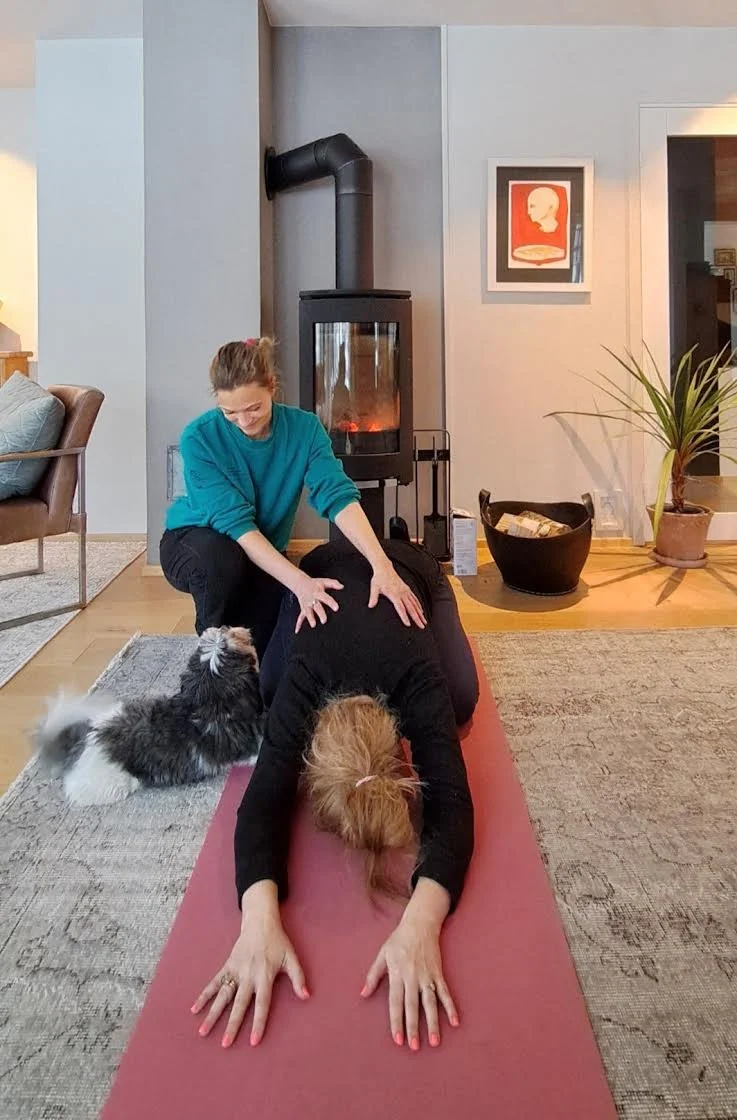
When someone joins my Yoga Bliss Program, the first thing we do is talk.
I want to understand what's really going on, not just where the pain is.
We don't rush. There is time to ask questions, talk about challenges, and address the emotional side of living with chronic pain. In my experience, healing is about much more than exercises alone.
One of the biggest lessons I've learned is that back pain is rarely just about the back.
That's why I look at the whole body and the whole person.
We begin gently with therapeutic yoga, breathwork, and mindful movement. As confidence grows, I gradually introduce additional techniques based on each person's needs. I blend therapeutic yoga with strength, mobility work, fascia release, and simple Feldenkrais-inspired movements to help people move better and feel more comfortable in their bodies.
I also provide daily support along the journey because recovery isn't always a straight line. Having guidance, encouragement, and someone who truly understands can make all the difference.
The goal isn't simply to become more flexible.
The goal is to help people move with greater ease, build strength and confidence, and get back to doing the things they love.
If you'd like to learn more about my approach, you can explore the Yoga Bliss Method.
Final Thoughts
If there is one thing I hope you take away from this article, it's this:
Back pain is rarely just about the back.
In my experience, lasting improvement often comes from looking at the whole picture.
The body.
The mind.
The nervous system.
Strength.
Mobility.
Breathing.
Lifestyle habits.
And most importantly, consistency.
Yoga is not only for flexible people.
Yoga is for everyone because yoga meets you where you are.
You can start in a chair.
You can start in bed.
You can start with one breath.
And no matter your age or where you are in your journey, there is always hope.